Which Sunscreen Texture Is Right for Your Skin?
Gel, cream-gel, cream, lotion, spray or tinted — how to match a sunscreen vehicle to your skin, the area you are covering and the way you will actually use it.
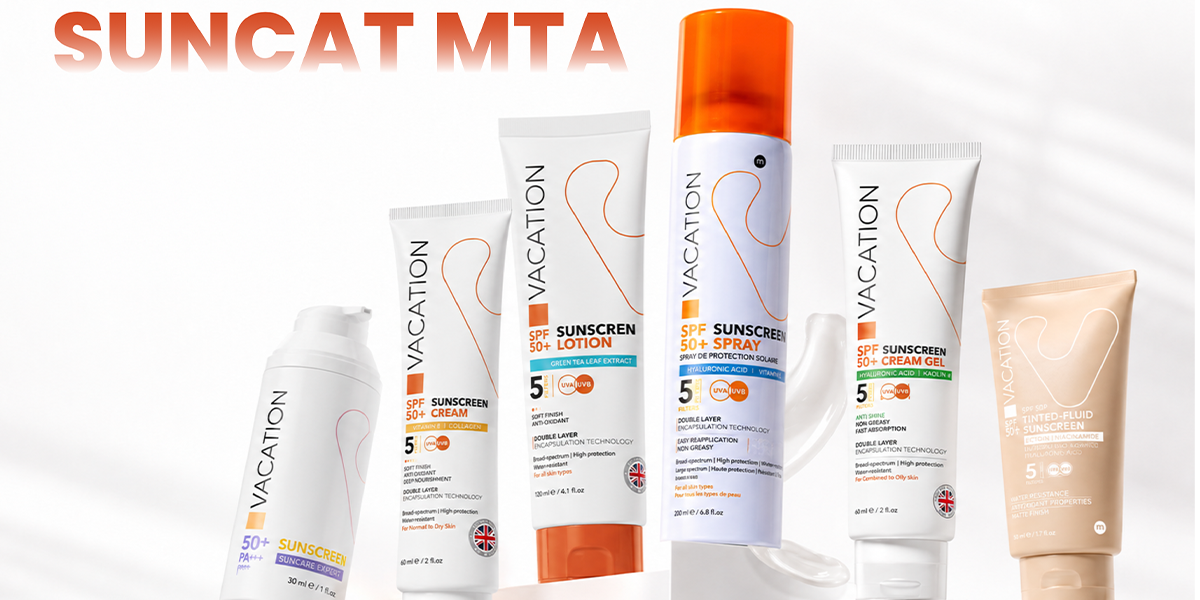
The best sunscreen is not defined by texture alone. It needs appropriate broad-spectrum protection, a suitable SPF, correct application and regular reapplication. Texture still matters, however, because a formula that feels comfortable is more likely to be used in an adequate amount every day.
Vacation Sunscreens include gels, cream-gels, creams, lotions, sprays, unseen and tinted options. Rather than treating one as universally superior, match the vehicle to your skin, the area you need to cover and the way you will use it.
Invisible gel: for a weightless finish
Vacation Unseen Sunscreen Gel is designed for consumers who dislike the feel or visible residue of traditional sunscreen. A clear gel can work particularly well on oily or combination skin, under makeup and on facial hair because it spreads without an obvious white cast.
This texture is also a practical choice for reapplication when a rich product would feel heavy. Do not let the invisible finish encourage under-application: clear sunscreen still needs a generous, even layer. Very dry or sensitized skin may prefer a more emollient formula.
Cream-gel: light hydration with fast absorption
Vacation Cream Gel sunscreen sits between a watery gel and a cream. It offers a lightweight option for combination and oily skin that still benefits from hydration. A cream-gel can be comfortable in humid weather or for people who want their moisturizer and sunscreen layers to feel less occlusive.
Allow skincare beneath it to settle before applying. Pilling is often caused by rubbing too many layers, using excessive serum or not allowing each step enough time — not necessarily by the sunscreen itself.
Cream: for normal-to-dry skin
Vacation Sunscreen Cream provides a richer, more cushioning texture. Creams often suit dry skin, cooler conditions and users who prefer a moisturized finish. They can also be helpful on facial areas that feel tight after cleansing or active treatments.
Richness does not change the amount required. Spread the product evenly across the face, ears, neck and other exposed areas. If the cream feels too heavy, switch texture rather than using less than the label recommends.
Lotion: for larger exposed areas
Vacation Sunscreen Lotion is suited to arms, legs and other broad body areas because it spreads efficiently. Lotion can also work on the face when the finish suits the user. The main advantage is coverage: a fluid but controllable texture makes it easier to create an even film across a large surface.
Apply before going outdoors according to the label and reapply at least as directed — commonly every two hours outdoors and after swimming, sweating or towel drying. Sunscreen is only one part of protection; shade, clothing, a wide-brimmed hat and sunglasses also matter.
Spray: convenient, but coverage needs attention
Vacation Sunscreen Spray is useful for large or hard-to-reach body areas and for active settings. Sprays can miss patches, so apply enough to make the skin visibly covered and rub in if the directions require it. Do not spray directly toward the face; spray into the hands first, then apply while avoiding the eyes and mouth. Avoid inhalation, keep aerosol products away from flame or heat, and shake very well before use.
A spray is not automatically the best choice for a windy beach, where much of the product can disperse. In that setting, a lotion may give more reliable control.
Tinted sunscreen: when visible light or white cast matters
Vacation Tinted Sunscreen adds skin colour to sun protection. Tinted formulas can reduce visible cast and provide light cosmetic coverage. If formulated with iron oxides, tint may also help protect against visible light — a relevant consideration for melasma and persistent hyperpigmentation.
The shade must be wearable enough to apply generously. Using a tiny amount as foundation does not deliver the labelled protection. Check the current label for ingredients, SPF, water resistance and application directions rather than assuming all tints perform identically.
Make the final choice by context
For oily skin, start with Unseen Gel or Cream Gel. For dry skin, consider the Cream. For the body, Lotion offers controlled coverage, while Spray helps with convenience and reach. Choose Tinted Sunscreen when tone correction and visible cast are priorities.
Whatever the format, select broad-spectrum SPF 30 or higher where appropriate, apply it as the last morning skincare step and use enough. No texture makes sunscreen “all day,” waterproof or a substitute for shade.
When testing a new texture, wear it for a full ordinary day before judging it. Check comfort around the eyes, compatibility with makeup, pilling, shine and how easily you can reapply. A small practical trial often predicts long-term use better than choosing by skin-type labels alone.
Editorial references
- World Health Organization. “Radiation: Protecting against skin cancer.” who.int
- U.S. Food and Drug Administration. “Sunscreen: How to help protect your skin from the sun.” fda.gov
- American Academy of Dermatology. “How to apply sunscreen.” aad.org
- American Academy of Dermatology. “How to understand sunscreen labels.” aad.org
- Majestic Biopharma. Vacation Sunscreens official product pages. e-majestic.com/collections/vacation